


In the fast-paced world of construction, efficiency, cost-effectiveness, and speed are essential for completing projects on time. Traditional construction methods often face delays due to weather, labor shortages, and other on-site challenges. This is where commercial modular construction comes in as a modern solution. By using pre-fabricated building sections, commercial modular construction allows projects to move faster while maintaining high quality and safety standards. This method is becoming increasingly popular among developers, architects, and business owners who want to save time and reduce overall construction costs.
Understanding Commercial Modular Construction
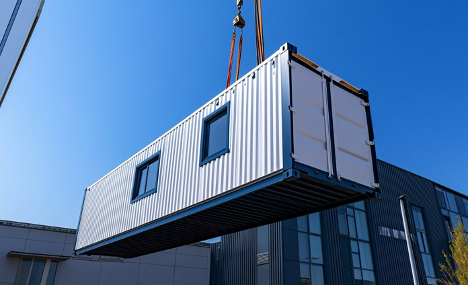
Commercial modular construction is a building method where sections of a structure, called modules, are manufactured off-site in a controlled factory setting. These modules are then transported to the construction site and assembled into the final building. Unlike traditional construction, where every element is built on-site, commercial modular construction allows multiple processes to happen at the same time. For example, while the site is being prepared, the building modules can be produced simultaneously in the factory. This overlap can significantly reduce the total project timeline.
The factory setting also ensures that the modules are built with consistent quality, as materials are protected from weather and construction conditions are more controlled. This leads to fewer defects and rework compared to traditional on-site methods. Commercial modular construction is versatile and can be used for office buildings, hotels, schools, healthcare facilities, and more, making it suitable for a wide range of projects.
Faster Project Completion
One of the main advantages of commercial modular construction is the speed at which buildings can be completed. Traditional construction projects often take months or even years due to delays in scheduling trades, waiting for materials, or encountering unexpected site conditions. With modular construction, site work and building fabrication happen at the same time. This parallel workflow allows projects to finish much faster, sometimes cutting the timeline by 30 to 50 percent compared to conventional methods.
Faster project completion not only benefits developers but also helps businesses occupy their buildings sooner, which can lead to quicker returns on investment. Additionally, the reduced construction time minimizes disruption to the surrounding area and reduces the impact of labor shortages or other on-site delays.
Cost Efficiency and Reduced Waste
Commercial modular construction can also help save costs. Since the building modules are produced in a factory, materials can be purchased in bulk and managed efficiently, reducing waste. Factories can also recycle offcuts and unused materials more effectively than traditional construction sites, making modular construction an environmentally friendly option.
Labor costs can be lower as well, because less on-site work is required. The controlled environment reduces the risk of delays due to weather or other unforeseen circumstances. Moreover, faster project completion means that financing and operational costs are reduced, further contributing to overall cost efficiency.
Quality Control and Safety Benefits
Another important aspect of commercial modular construction is quality control. Factory production allows for strict adherence to building standards and codes. Each module can be carefully inspected at every stage, ensuring that structural integrity, plumbing, electrical systems, and finishes meet high-quality standards.
Safety is also improved in modular construction. Because most work occurs in a controlled factory, workers face fewer hazards compared to traditional construction sites. On-site assembly is quicker and safer since the majority of the heavy labor and complex installations are already completed in the factory.
Flexibility and Scalability
Commercial modular construction offers great flexibility in design and scalability. Buildings can be customized according to the client’s requirements, and modules can be added or removed as needed. This makes it easier to expand facilities in the future without major disruptions. Additionally, modular buildings can be relocated if necessary, providing a level of adaptability that traditional construction cannot match.
Conclusion
Commercial modular construction is transforming the way modern buildings are designed and built. By combining speed, cost savings, quality control, and flexibility, this construction method provides a practical solution for accelerating building projects. Businesses and developers can benefit from faster project completion, reduced costs, and high-quality results. As more industries adopt this innovative approach, commercial modular construction is set to become a standard for efficient, sustainable, and scalable construction solutions.
