


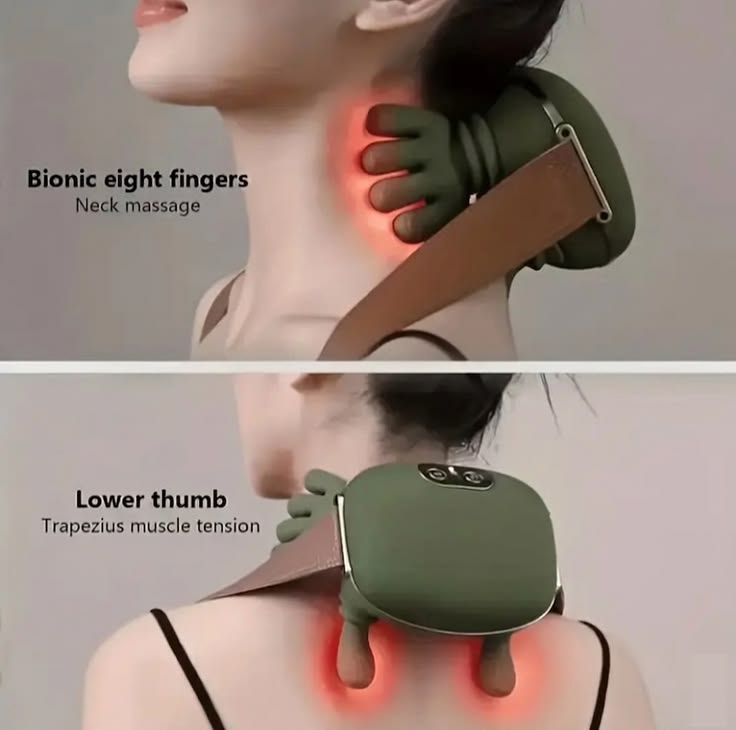
Frequent travel places a unique kind of stress on the body. Long flights, cramped seating, irregular sleep schedules, and extended periods of sitting all contribute to muscle stiffness and fatigue. For many travelers, especially frequent flyers, neck and shoulder tension becomes an unavoidable part of the journey.
Travel-friendly massagers have emerged as a practical solution to this problem. Compact, cordless, and designed for portability, these devices allow users to manage muscle tension anytime, anywhere. They are no longer seen as luxury gadgets but as essential tools for maintaining comfort and mobility during travel.
Understanding why travel has such a strong impact on the body—and how portable Neck and Shoulder Massager address these challenges—explains why they are becoming a must-have item for modern travelers.
Why Travel Causes Muscle Stiffness
Travel-related muscle discomfort is not just about inconvenience. It is the result of multiple physical and environmental factors that affect the body simultaneously.
Prolonged Sitting
Long periods of sitting, especially on airplanes or in vehicles, reduce blood circulation in the muscles. The neck, shoulders, and lower back remain in static positions, leading to stiffness and fatigue.
Limited Movement Space
Cramped seating restricts natural movement. This forces muscles to stay in fixed positions for extended periods, increasing tension in the cervical spine and upper back.
Poor Sleeping Positions
Sleeping upright or in awkward positions during travel prevents proper muscle recovery. The neck often remains unsupported, leading to strain and soreness.
Carrying Luggage
Frequent lifting and carrying of bags can overwork shoulder muscles, especially when weight distribution is uneven.
What Makes Travel-Friendly Massagers Different
Unlike traditional massage devices, travel-friendly massagers are specifically designed for mobility and convenience. They prioritize portability without sacrificing functionality.
Typical features include:
- Lightweight and compact design
- Cordless battery operation
- Foldable or ergonomic structure
- Adjustable intensity settings
- Heat and kneading functions in some models
The goal is to deliver effective muscle relief in a form that fits easily into luggage or carry-on bags.
1. Portable Relief Anytime, Anywhere
One of the biggest advantages of travel massagers is accessibility. Whether in a hotel room, airport lounge, or even during a break between meetings, users can quickly relieve muscle tension without needing a fixed setup.
This flexibility is especially valuable for frequent flyers who spend long hours in transit.
2. Targeted Neck and Shoulder Support
Most travel massagers are designed to focus on the neck and shoulders, which are the most affected areas during travel.
By applying kneading or pressure-based massage to these regions, the devices help reduce stiffness and improve comfort during long journeys.
3. Cordless Convenience
Wireless operation is essential for travel use. Cordless massagers eliminate the need for power outlets, making them usable in airplanes, cars, and outdoor environments.
Rechargeable batteries allow multiple sessions on a single charge, adding to their practicality.
4. Heat and Vibration Features
Many travel-friendly models include heat therapy and vibration modes to enhance relaxation.
Heat helps loosen tight muscles and improve circulation, while vibration provides surface-level stimulation that complements deeper kneading actions.
How Travel Massagers Improve Flight Comfort
Air travel is one of the most physically demanding forms of transportation for the body. Travel massagers help reduce discomfort in several ways.
Reducing Neck Strain
By relaxing the trapezius and cervical muscles, massagers help counteract the effects of forward head posture during flights.
Improving Circulation
Massage stimulates blood flow, which is especially important during long periods of immobility.
Preventing Post-Flight Stiffness
Using a massager after landing helps release accumulated tension and reduces soreness.
Enhancing Relaxation
The calming effect of massage can also reduce travel-related stress and anxiety.
Benefits Beyond Travel
While designed for mobility, travel massagers are also useful in everyday life.
Office Use
They can be used during breaks at work to relieve desk-related tension.
Home Relaxation
After long days, they provide quick relief without requiring a full massage session.
Post-Exercise Recovery
Light massage helps reduce muscle soreness after physical activity.
Choosing the Right Travel Massager
Not all devices are equally suited for travel use. Several factors should be considered before choosing one.
Size and Weight
A compact design is essential for easy packing and portability.
Battery Life
Long battery duration ensures multiple uses without frequent recharging.
Comfort and Fit
Ergonomic design ensures proper contact with the neck and shoulders.
Adjustable Settings
Multiple intensity levels allow users to customize their experience.
Durability
Travel devices should be sturdy enough to withstand frequent packing and movement.
Limitations of Travel Massagers
While highly convenient, these devices have some limitations.
Less Power Than Full-Size Devices
Compact design may mean reduced intensity compared to larger home models.
Limited Coverage Area
Most focus on the neck and shoulders rather than full-body treatment.
Dependence on Battery
If not charged, the device cannot be used during travel.
Why Frequent Flyers Benefit the Most
Frequent travelers experience repetitive physical strain that builds over time. Travel massagers help break this cycle by providing consistent relief.
They are especially useful for:
- Business travelers
- Flight crews
- Long-distance commuters
- Digital nomads
For these groups, even short massage sessions can significantly improve comfort and energy levels during travel.
Integrating Massage Into Travel Routine
To get the most benefit, massage should be used strategically during travel.
Before Departure
Helps relax muscles before long periods of sitting.
During Layovers
Short sessions help reset tension between flights.
After Arrival
Assists in recovery from prolonged immobility.
A Shift Toward Portable Wellness
Travel-friendly massagers represent a broader shift in wellness trends. Instead of relying on scheduled treatments, people now expect on-demand relief that fits into their lifestyle.
This shift is especially important for frequent travelers, where consistency is difficult but physical strain is constant.
Final Thoughts
For frequent flyers, muscle tension is almost unavoidable—but it does not have to be permanent. Travel-friendly massagers offer a practical, portable solution that helps manage stiffness, improve circulation, and support relaxation throughout the journey.
By combining convenience with effective muscle therapy, they transform how travelers care for their bodies on the move. In a world where travel is increasingly common and time is limited, these devices are no longer optional extras—they are essential companions for a more comfortable journey.