


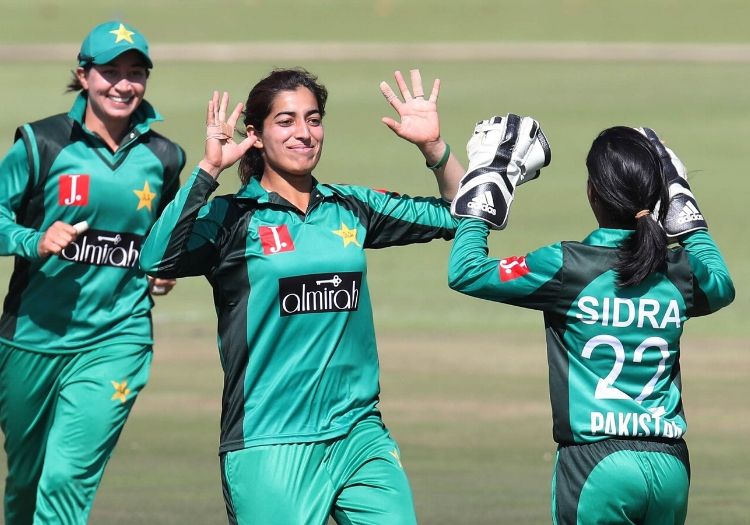
Women’s Cricket: The Fastest-Growing Side of the Game
Women’s cricket has evolved from a niche pursuit to one of the most dynamic and fast-growing parts of the sport. Over the last two decades, it has witnessed a revolution — marked by professional leagues, record-breaking crowds, and extraordinary talent. Today, women’s cricket stands as a symbol of Jeetbuzz empowerment, global inclusion, and sporting excellence, proving that the game is truly for everyone.
The Journey from the Margins to the Main Stage
Women’s cricket has existed for over a century, but for much of its history, it remained overshadowed by the men’s game. Early pioneers played without recognition, funding, or media coverage. However, in recent years, global cricket boards and organizations like the ICC have made significant strides to elevate women’s cricket, investing in infrastructure, broadcasting, and player development.
Milestones such as the 2017 ICC Women’s World Cup in England — which drew millions of viewers — and the 2020 T20 World Cup final at the Melbourne Cricket Ground, attended by over 86,000 fans, have shown just how far the women’s game has come.
The Rise of Women’s T20 Leagues
The emergence of women’s franchise leagues has been a game-changer. The Women’s Premier League (WPL) in India, The Hundred Women’s Competition in England, and the Women’s Big Bash League (WBBL) in Australia have provided players with global exposure and financial independence.
These tournaments have not only showcased the incredible talent pool but have also inspired young girls worldwide to take up cricket professionally. Players like Harmanpreet Kaur, Meg Lanning, and Sophie Devine are now household names — admired not just for their skill, but for redefining what’s possible for women in sport.
Increased Professionalism and Global Investment
Professional contracts, better coaching, and improved facilities have transformed women’s cricket into a high-performance environment. National boards such as Cricket Australia, the ECB, and the BCCI now offer central contracts to women, ensuring stability and recognition.
This professionalism has elevated the quality of the game — faster scoring rates, sharper fielding, and more strategic play Jeetwin have made women’s matches as thrilling and competitive as any other. The gap between teams has also narrowed, making global tournaments more unpredictable and exciting.
Role Models and Trailblazers
The success of women’s cricket owes much to the trailblazers who broke barriers and inspired generations. Players like Mithali Raj, Ellyse Perry, Suzie Bates, and Jhulan Goswami not only dominated on the field but also served as ambassadors for the sport’s growth.
Their achievements have paved the way for younger stars such as Shafali Verma, Alice Capsey, and Smriti Mandhana — players who grew up watching women’s cricket on TV and now carry the torch forward with flair and confidence.
Media Coverage and Fan Engagement
The explosion of media coverage has brought women’s cricket to global audiences. Live broadcasting deals, social media engagement, and storytelling around players’ journeys have humanized the sport, connecting fans on a deeper level.
Social platforms have also empowered female cricketers to build personal brands, advocate for equality, and engage directly with fans. The increased visibility has helped challenge outdated stereotypes and promote gender equality within the broader sporting landscape.
The Competitive Spirit on the International Stage
Women’s international cricket has never been more competitive. Teams like Australia, England, India, and South Africa continue to dominate, but emerging nations such as Bangladesh, Thailand, and Ireland are rapidly improving.
The level of intensity in modern women’s cricket — whether it’s the Ashes, the T20 World Cup, or the WPL — reflects the professionalism and dedication of players who treat every match as a chance to inspire millions.
Inspiring the Next Generation
Perhaps the greatest achievement of women’s cricket is its impact on the next generation. More girls are picking up bats and balls than ever before, fueled by role models they can see and aspire to emulate. Grassroots programs, school tournaments, and youth academies across the world are ensuring a sustainable pipeline of future talent.
Cricket is no longer viewed as a male-dominated sport — it’s a shared passion, open to all.
The Future of Women’s Cricket
The trajectory of women’s cricket is only heading upward. With more investment, equal pay discussions, and cross-format tours, the women’s game is becoming a cornerstone of the global cricket calendar.
The ICC’s continued commitment to hosting standalone tournaments and promoting equal visibility has laid the foundation for a future where women’s cricket isn’t compared to men’s — but celebrated on its own merits.
The next decade could see record-breaking crowds, even more professional leagues, and the rise of new global icons. The world is watching, and women’s cricket is ready to shine brighter than ever.
FAQ
- What has contributed most to the rise of women’s cricket?
The introduction of professional leagues, increased investment from cricket boards, and greater media coverage have all played major roles in boosting women’s cricket globally. - Who are some of the most influential female cricketers today?
Players like Meg Lanning, Smriti Mandhana, Alyssa Healy, Harmanpreet Kaur, and Ellyse Perry are leading figures, inspiring millions through their performances and leadership. - What does the future hold for women’s cricket?
The future looks incredibly promising — with more countries investing in the sport, growing fanbases, and a push toward equal opportunities, women’s cricket is set to reach new heights worldwide.